Solana token launch safety comes down to verifying authorities, liquidity locks and holder distribution before you buy
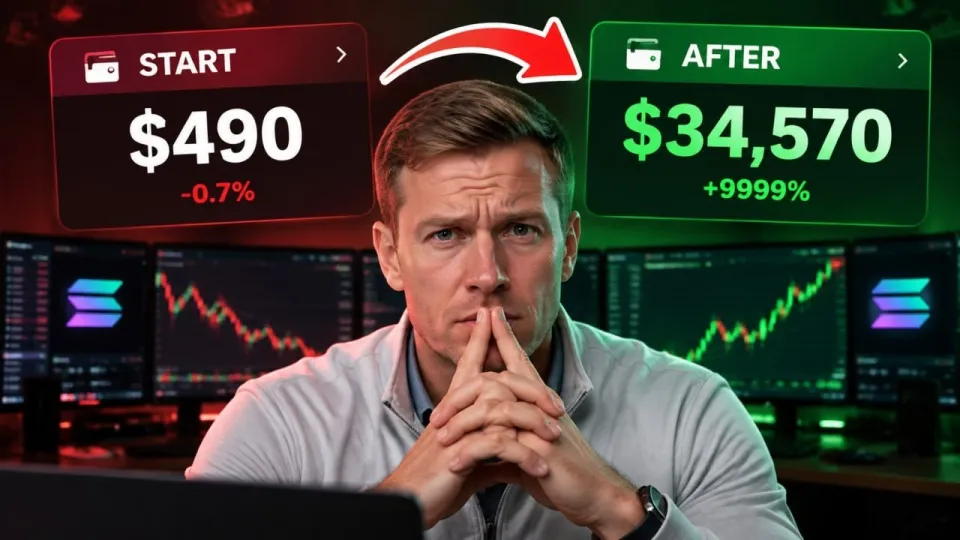
Video: Rug Pull Strategy: Solana Token Launch & Rug Pull Risks
· based on the channel TU ANDROID. COM
Key takeaways
- A Solana token can be created in minutes with tools like the one linked at https://funrug.cc, so the launch itself proves nothing about safety.
- The four contract levers behind most rug pulls are mint authority, freeze authority, unlocked liquidity and a single wallet holding most of the supply.
- Rug pulls rarely look like scams at first: dev wallets are split, charts are washed with bot volume and liquidity is pulled in one transaction.
- Locking liquidity and burning mint authority are the two cheapest, most verifiable signals a team can provide before trading starts.
- Hype, influencer posts and fast price gains are not evidence of safety; only on-chain permissions and holder data are.
A Solana token launch is not inherently risky or safe — the outcome depends almost entirely on who holds the mint authority, whether liquidity is locked and how widely the supply is distributed. If a team has burned mint authority, locked or burned liquidity and spread tokens across many wallets, the launch is structurally far safer than one where a single wallet can mint new supply or drain the pool at will. Platforms such as funrug.cc let anyone create and launch a token in minutes, which is exactly why buyers must verify the contract themselves rather than trust the pitch.
Why a Solana token launch is so easy and so dangerous
Solana's low fees and fast finality make it the default chain for new meme coins, and that same efficiency removes most of the friction that used to slow down bad actors. Creating an SPL token costs a fraction of a dollar, adding liquidity to a decentralised exchange takes one more transaction, and the whole process can be finished before a buyer has read the token name. Because the launch is cheap, the supply of new tokens is effectively unlimited, and attention — not technology — becomes the scarce resource. That is why the same launch mechanics produce both legitimate community projects and textbook rug pulls.
The four contract settings that decide whether you get rugged
Every rug pull on Solana ultimately uses one or more of four levers, and all four are visible on-chain before you buy.
- Mint authority. If the authority is still active, the deployer can create unlimited new tokens and dilute or dump on holders. A revoked mint authority cannot be restored.
- Freeze authority. An active freeze authority lets the team freeze your token account, which can block you from selling during a dump.
- Liquidity control. If the pool is not locked or the LP tokens are held by the deployer, the deployer can withdraw the quote currency in a single transaction, collapsing the price to zero.
- Holder concentration. When one or a few wallets control most of the supply, a coordinated sell is enough to wipe out the chart regardless of how the contract is configured.
Checking these four items takes a few minutes on a block explorer and a token analytics dashboard, and it is the single highest-value habit in meme coin trading.
How a rug pull actually plays out step by step
A typical Solana rug pull is a staged operation, not a spontaneous exit. The sequence usually looks like this:
- The token is deployed with a clean-looking name, logo and social channels, often copying a trending narrative.
- Initial liquidity is added, sometimes genuinely locked for a short period to build credibility.
- Trading bots and wash trades generate volume, making the chart look organic and the token appear to be gaining traction.
- Developer wallets, split across many addresses to hide the total, accumulate supply quietly during the early run.
- Once retail volume peaks, the team sells into the liquidity or removes it outright, and the price collapses within seconds.
The important lesson is that the visible chart is the last thing to trust. Bots can manufacture volume and price movement, but they cannot fake a revoked mint authority or a burned LP position.
Warning signs buyers most often overlook
Beginners tend to focus on the wrong signals — follower counts, Telegram size, price momentum — while ignoring the structural ones. The most frequently missed red flags are:
- A mint authority that was never revoked, which is easy to check and easy to miss.
- Liquidity described as "locked" without a verifiable locker or burn address.
- Holder distribution where the top ten wallets hold a large majority of supply, including wallets the team does not publicly acknowledge.
- A deployer wallet funded from a mixer or an address previously linked to failed launches.
- Copy-pasted documentation and socials created days before launch, which suggests a disposable project rather than a long-term one.
None of these alone proves fraud, but two or three together should end your research immediately.
How to evaluate a new Solana token before you interact
A repeatable checklist beats intuition. Before connecting a wallet or buying anything:
- Open the token mint address in a block explorer and confirm whether mint and freeze authorities are revoked.
- Check the liquidity pool: is it locked, burned, or held by the deployer, and how much quote currency is actually in it?
- Review holder distribution and look for clusters of wallets funded from the same source.
- Trace the deployer's history — how many other tokens have they launched, and what happened to them?
- Compare the social presence to the on-chain reality: does the community size match the holder count?
- Size your position so that a total loss would not change your portfolio, because even a clean contract can still fail.
This process will not catch every bad project, but it filters out the overwhelming majority of low-effort rug pulls.
What traders keep asking about Solana launches
The questions that come up most often from people trading new Solana tokens are practical rather than theoretical. Traders want to know whether a locked liquidity pool guarantees safety (it does not — locks can expire or be controlled by the team), whether a large holder count means a token is decentralised (it does not — airdropped wallets can inflate the number), and whether bots are a sign of manipulation (often yes, since automated wallets frequently front-run retail entries and exits). The consistent theme is that every reassuring metric can be gamed, and only permissions and liquidity control are hard to fake.
Where a launch platform fits into the picture
Launch platforms lower the technical barrier to creating a token, which is a neutral capability: the same tool serves a community project and a disposable scam. What matters is that the platform's output is fully verifiable on-chain, so buyers can audit authorities, liquidity and supply themselves rather than relying on the creator's word. If you are exploring how these launches are structured, the platform linked at funrug.cc is the one referenced in the breakdown, and it is worth studying the mechanics before you interact with any new token.
Conclusion
Solana token launches are neither safe nor dangerous by default — the risk lives entirely in the contract permissions, the liquidity arrangement and the holder distribution, all of which are publicly checkable. The recurring mistake is treating hype, volume and price action as evidence of legitimacy when they are the easiest things to fake. The channel TU ANDROID. COM produced the educational breakdown behind this article, walking through how these launches work and why automated wallets react the way they do. Treat every new token as guilty until its on-chain data proves otherwise, and size positions accordingly.
Questions & answers
Does a locked liquidity pool guarantee that a Solana token is safe?
No. A lock only means the LP tokens cannot be withdrawn until a set date, and locks can be short, expire, or be controlled by the same team that launched the token. You should still check mint authority, freeze authority and holder distribution before buying.
Can I check for rug pull risk without paying for tools?
Yes. A block explorer plus a free token analytics dashboard will show mint and freeze authority status, the top holders and the liquidity pool composition. That is enough to catch the most common red flags in a few minutes.
Why do so many new Solana tokens have high trading volume but no real community?
Volume on new tokens is frequently generated by automated bots and wash trading rather than genuine buyers. High volume with a small number of holders or social channels created days earlier is a classic sign of an artificial launch.
What is the single biggest warning sign beginners miss?
An active mint authority. It means the deployer can create unlimited new tokens at any time and dump them on holders, and it is easy to check but rarely the first thing new buyers look at.
Source: Rug Pull Strategy: Solana Token Launch & Rug Pull Risks · Markdown version